Private Rehab Placements for Plymouth & Devon
Alcohol Rehab Plymouth
If the drink you used to wind down with is now the one running you, you don’t have to keep pretending it’s still working. We arrange placements into CQC-registered private clinics across Devon and the South West, often within 48 hours. The call costs nothing and nothing leaves it without your say-so.
Confidential and judgement free / Medically supervised detox / Clear help with next steps
Available 24/7 / Call us directly
CQC
Registered Clinics
24-48h
Typical Admission
Free
Our Referral Service
100%
Confidential
Across Plymouth & Wider Devon
Alcohol Rehab Support Across The Plymouth Area
Plymouth is a city that runs on shifts. Naval, dockyard, NHS, hospitality, the docks, university teaching hospital. The drinking that fits around all of that has been quietly part of the rhythm for as long as the city’s been here. From Plympton and Plymstock to Devonport, Mutley, Stoke, Crownhill, Ivybridge and out to Saltash, the people we hear from across Plymouth have usually been holding what looks like a normal grown-up routine for years before realising the drinking inside it has stopped being optional. The wider Alcohol Rehab Devon network has CQC-registered options that can move quickly when you’ve decided you want them.

The Honest Test
It’s not the amount that matters, it’s whether you can stop.
Most people in Plymouth measure their drinking against someone else’s worst case. The relative who lost everything, the colleague who got pulled up at work, the friend who can’t function before noon. Compared to that, you’re fine. You hold a job, the bills go out, the family’s still here, you function. But the test that matters more than how much you’re drinking is what happens when you decide not to. If skipping a day produces real anxiety, restless sleep, sweaty palms, or an irritability that only goes when you have a drink, what you’ve got is a body that’s adapted to alcohol being there. That’s physical dependency, and it sits inside a lot of functioning people who’d never describe themselves that way.
The other useful question is whether the drinking still does what you started it for. The original deal was that it took the edge off, helped you sleep, made the evening easier. If it’s stopped doing any of that and is now just something you have to do to feel level, the drinking has crossed over from being a thing you use to being a thing that uses you. Most callers from Plymouth recognise themselves in that description before they’re ready to say it out loud.
The Medical Reality
Trying to detox at home isn’t safer. Often it’s the opposite.
There’s a particular thing that happens when someone with established alcohol dependency tries to stop suddenly at home. It usually starts within the first 12 to 24 hours. Tremors in the hands, sweats, racing heart, an anxiety so intense it makes drinking feel like the only sane response. That’s not weakness or lack of willpower. That’s the nervous system reacting to alcohol no longer being there to suppress it, and in serious cases it can escalate into seizures or a condition called delirium tremens that needs hospital intervention. It’s the reason home detox from heavy drinking is something we’d never recommend without proper clinical involvement.
A medically supervised detox changes that picture completely. Prescribed medication takes the worst of the withdrawal off, clinical staff monitor you around the clock, and the environment doesn’t have a fridge full of options if it gets hard at 2am. From a stable starting point, the actual recovery work has the space it needs to begin. If you’ve already tried and failed to stop alone, that’s important clinical information about where you are, not a personal failure to put right by trying harder.
If you’re at the point of looking this up, you’re past the point where waiting helps.
Get Help Today Call 0333 335 7621Local Support Options
Other Support Options Available in Plymouth
Free help exists across Plymouth and it’s worth knowing about, especially if you want to start with something low-stakes. Harbour Centre Plymouth is the main NHS-funded community alcohol service in the city. Alcoholics Anonymous runs in-person meetings most nights of the week across the city and outlying areas. Al-Anon supports families and partners of someone whose drinking is hurting them. SMART Recovery is the non-12-step alternative, built on cognitive behavioural tools rather than the abstinence-and-fellowship model. Change Grow Live also runs free NHS-funded support locally.
If you’ve already worked with one or more of these and the drinking has carried on regardless, that’s data, not failure. Community services work for some people and aren’t enough for others. Where dependency has become physical, what’s usually needed is the medical structure of a proper detox combined with the intensity of residential therapy in a setting that isn’t your usual environment. If that’s where you’ve ended up, give us a call.
Warning Signs
Alcoholism Warning Signs
Alcohol dependency presents differently in different people. Some signs are obvious, others are easy to talk yourself out of. Watch this and be honest with yourself about what you recognise.
Common Questions
Common Questions About Alcohol Dependency
These are the questions people from Plymouth tend to ask early. Plain answers, no professional padding.
Why does the drinking I started for stress now feel like the thing causing it?
This is one of the cleanest signs that the dependency has set in…
Read moreAlcohol initially calms the nervous system through a chemical called GABA, which is genuinely relaxing in the short term. With sustained heavy use, the brain reduces its own production of calming signals because alcohol’s been doing the job for it. So in the gap between drinks, the nervous system is now under-regulated, which feels like baseline anxiety, irritability and tension that didn’t used to be there. The drink that used to relieve the stress is now also generating it, which is why the gap between drinks feels worse over time and why the next drink feels increasingly necessary just to feel level.
Can binge drinking on weekends actually be dependency, or is that just heavy drinking?
It can absolutely be dependency, and the giveaway is what happens between sessions…
Read moreParticularly if you’re aware of needing the next session before it arrives, or if the gap between sessions includes withdrawal symptoms, even mild ones. The pattern of intense weekend drinking followed by mid-week recovery, where you’re slightly anxious or wound up by Tuesday and noticeably more relaxed once Friday’s drinks start, is a clear withdrawal-and-relief cycle. Daily drinking isn’t the only path to a physically dependent body. The total volume and the body’s response between sessions are what actually matters.
I’m a high-functioning drinker. Doesn’t that mean I’m not as bad as I think?
Functioning is one of the things that makes dependency easier to ignore for longer…
Read moreThe job’s still done, the kids still get fed, the bills still get paid, so the conclusion is that nothing is really wrong. But functioning isn’t a measurement of how dependent you are, it’s a measurement of how much you’re managing to compensate. Most people who eventually call us have been functioning all the way up to the point of calling. The right question is the cost of the functioning. What’s it taking out of you to keep up the front, and how sustainable is that pace really?
What’s actually happening inside my body when I drink the way I do?
Sustained heavy drinking affects almost every system, not just the liver…
Read moreThe liver is the most well-known, working overtime to process alcohol and accumulating fat, then inflammation, then potentially scarring. The nervous system rebalances itself around alcohol’s presence, which is why withdrawal feels physical. Sleep architecture gets disrupted so even a long sleep doesn’t restore properly. Mood-regulating chemicals like serotonin and dopamine drop below their natural baseline, which is why low mood deepens the more you drink rather than lifting. None of this is irreversible early on, but it carries on accruing the longer the drinking continues.
My family thinks I’m overreacting. Am I wrong about myself?
Almost certainly not. The people closest to a heavy drinker are often the slowest to see it…
Read morePartly because they’ve adjusted their expectations gradually over years and partly because acknowledging it would ask something of them too. You see what’s happening from the inside. They see the surface. If you’re at the point of looking up rehab pages at this hour, you’re working with information they don’t have, and you’re not wrong to take it seriously.
Why It Works
Why Private Rehab and Why Does It Work?
Private residential rehab works for alcohol dependency where most other approaches stall, and the reason is structural rather than mysterious. It addresses every layer of the problem at the same time. The medical layer is handled through a properly supervised detox, so the physical withdrawal is safe rather than dangerous. The psychological layer is worked through with structured therapy, both one-to-one and in groups, every day rather than in a weekly outpatient appointment. And the environmental layer, which is the same routines, same drinking partners, same kitchen full of bottles that quietly undermine outpatient treatment, is removed entirely while the early recovery is taking root. You’re somewhere different. That difference is what makes the new behaviours stick.
The clinics we use are CQC-registered, which means they meet the regulated baseline for clinical safety and quality. Beyond that we look closely at the therapy team, the structure of the day-to-day programme, the medical detox protocol, and the aftercare plan that travels home with you when the residential stay ends. The aftercare matters as much as the stay itself, because the first three months back in your normal environment are the most fragile period of any recovery, and the clinics that take that seriously are the ones we send people to.
All treatment providers we work with are regulated and CQC-registered, meaning care is delivered safely by qualified professionals in a clinically supervised environment.

Admission within 24 to 48 hours
Most admissions for Plymouth callers can be set up within 24 to 48 hours at clinics across Devon, Cornwall and the wider South West.
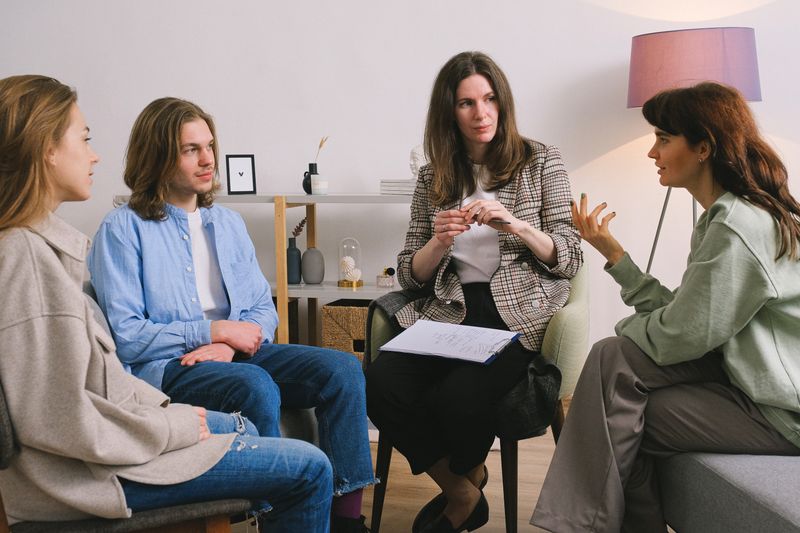
Medically supervised detox
Round-the-clock clinical management of withdrawal in every clinic we use. You’re not battling it on your own at any point.

Confidential, always
Nothing leaves the conversation without your decision. Employer, GP, family, none of them are contacted unless you choose to.
Location
Does the Clinic Need to Be in Plymouth?
For most people, no, and there’s a real benefit to going somewhere else. Plymouth is a city where the same routes, same pubs, same colleagues, same neighbourhoods carry strong cues that have been threaded through your drinking for years. Putting actual physical distance between you and that environment makes the early days of recovery considerably easier. You’re not negotiating triggers in the same week you’re trying to live without alcohol for the first time in a long time. A residential clinic in the wider Devon countryside, in Cornwall, or further afield depending on availability, takes that pressure off entirely.
If staying within reach of Plymouth genuinely matters for practical reasons, caring duties, partner illness, kids who need you close, that’s something we work around. There are CQC-registered residential clinics across the South West and the right one for you depends on what’s actually negotiable in your life. When you call, tell us what isn’t movable and we’ll build the recommendation around that, not around what’s geographically closest.
The Process
How Alcohol Rehab Works, Step By Step
If rehab is something you’ve never been near, the not-knowing is what stops most people picking up the phone. The actual process is calmer and more structured than people expect. It starts with a phone call, and from there every stage is mapped so there’s never a point where you don’t know what’s coming next.

Confidential first conversation
You’ll talk to someone who has been through this themselves. No script, no sales process, no pressure. Just a careful conversation about what’s actually going on and what the safest next step looks like.

Matching you to the right clinic
We walk you through what residential treatment actually involves, how soon you can be admitted, the length of programme that suits you, and what it’ll cost. The point is clarity, so the decision is yours rather than nudged.

Admission and supervised detox
From the moment you arrive, the medical team takes over. Detox is run with prescribed medication and continuous monitoring so the worst of the withdrawal is properly managed. You won’t be navigating it on your own for one second.
Therapy, recovery, aftercare
Once the physical detox has settled, the therapeutic work begins in earnest. One-to-one sessions, structured group work, and a written aftercare plan that you take home so the support continues for the months after the clinic.
Investment
How Much Does Alcohol Rehab in Plymouth Cost?
Private residential rehab generally starts from around £2,000 to £4,000 for a seven-day programme, with medically supervised detox built in. The exact figure depends on the clinic and how long you stay. Detox is part of the programme, never charged on top. Cost is one of the first concerns people raise. When you call, we’ll give you an honest, specific figure based on your situation in Plymouth rather than a generic range.
Typical Lengths of Stay
- 7-day stabilisation and detox
- 14-day residential programme
- 28-day residential rehab (typically around £7,000 – £15,000)
- Extended residential stays up to 12 weeks
A longer stay buys deeper therapeutic work, properly built relapse prevention planning, and the time to consolidate the gains rather than getting wrenched out of safety too early. Some private health insurance covers part or all of residential rehab. Several of the clinics we work with accept major UK insurers including AXA and Bupa, depending on policy.
What Influences the Price?
- Length of stay
- Location & clinic
If you’d like a clear cost figure for your situation in Plymouth or the wider Devon area, speak confidentially with our team. We’ll talk through the options and tell you honestly what a programme that’s right for you is likely to cost.
Common Concerns
Common Concerns About Alcohol Rehab
The questions people ask most often before they take the next step. Plain answers, no professional padding.
Will I lose my job if I tell my employer I’m going to rehab?
You’re not legally required to disclose the reason, and most people don’t…
Read moreYou don’t have to give your employer a specific reason for medical absence. Most people who go through residential rehab use a combination of annual leave and a GP fit note that simply states they’re medically unfit for work, with no detail about why. The clinic doesn’t contact your employer, and we don’t either, without your written consent. If you’re in a regulated profession with specific reporting obligations, that’s worth checking carefully and we can talk through it, but for most people in employment, full discretion is achievable.
How long do I actually need to be away?
The medically safe minimum for detox is around seven days, but more buys you more…
Read moreFor meaningful therapeutic work on top of the detox, a 14-day programme is the realistic floor, and 28 days is where you get the deeper relapse prevention work that gives the strongest long-term odds. We’ll talk through what’s realistic given your dependency level and your life commitments. Shorter isn’t worse if shorter is what your circumstances allow, it just changes what the programme can include.
What’s the actual difference between detoxing at home and detoxing in a clinic?
Three things. Medication, monitoring, and the absence of access to alcohol while it’s happening…
Read moreAt home, the detox medication has to come through the GP and the monitoring is whoever happens to be in the house. At a clinic, both are clinical and continuous, and the environment doesn’t have a bottle in the cupboard at 3am if it gets hard. Each of those three things matters, and together they’re the difference between a detox that holds and one that doesn’t.
What if I have a drink the morning I’m supposed to be admitted?
Expected, not a problem. The detox is designed around it…
Read morePeople often have a final drink on the way to admission, sometimes because they’re nervous and sometimes because the body is already in early withdrawal. The medical team accounts for what’s in your system on arrival when they set the detox protocol. There’s no judgement about it and certainly no refusal of admission because of it.
Can I take my prescription medication into the clinic?
Yes, and the medical team manages everything during the stay…
Read moreBring whatever you take regularly, including any mental health medication, blood pressure medication, anything the GP has prescribed. The clinic doctor will go through it on admission and continue or adjust as appropriate. Nothing is discontinued without proper clinical review, and the detox protocol is set up to work safely alongside whatever else you’re taking.
How We Work
How Addiction Help Today Works
We’re a referral service rather than a treatment provider, and the practical effect is that we do the work of finding the right clinic for you. You shouldn’t have to navigate that yourself when everything else already feels heavy enough. We listen carefully, get a proper sense of what’s actually going on, and connect you with a CQC-registered residential clinic that fits your situation rather than the first one with availability.
There’s no charge to you for any of it. The model is funded by the clinics rather than by you, which means the conversation, the matching and the guidance are entirely free at your end. We’re not in the business of nudging anyone into something that isn’t right. The team are all in recovery from addiction themselves, so when you call, you’re talking to someone who has actually lived this rather than reading from a script.
When You’re Ready
Ready to Speak to Someone Who Understands?
You don’t need to have it all worked out before you call. A confidential conversation with our team can give you clarity on what’s actually possible from where you’re sitting in Plymouth right now, what the realistic next step looks like, and whether residential treatment is the right fit at all. If the drinking has reached the point where you know something has to give, acting sooner makes a real difference, both clinically and for everything else the drinking has been quietly chewing through. Call today or send a confidential message and we’ll come back to you fast.
Get In TouchCall us on 0333 335 7621
Additional Support
For a wider view of private alcohol rehab across the county, the Alcohol Rehab Devon page covers the regional picture. For the national overview, Alcohol Rehab UK is a useful starting point.
This content is for informational purposes only and does not constitute medical advice. Always seek professional guidance from a qualified healthcare provider regarding any concerns about alcohol use or withdrawal.
Get In Touch
Speak With Our Team Confidentially
If you’re ready to talk, fill in the form below and we’ll call you back. We usually respond within 15 minutes during the day. Messages sent overnight are returned first thing in the morning. Everything you share is treated in complete confidence.
When you call, here’s what happens
A real person picks up. Not a call centre. Every member of the team is in recovery themselves.
Free 15-30 minute conversation. No pressure, no commitment to anything.
We talk through your options. Cost, clinic, timing, insurance, all of it.
If you’re ready, we start placement that day. Most people are admitted within 48 hours.
Or call us directly on 0333 335 7621
Available 24/7. Completely confidential.