Private Cocaine Rehab Placements for Plymouth & Devon
Cocaine Rehab Plymouth
If you're reading this in Plymouth because the comedown anxiety has stopped letting you pretend any more, you are not the only one. We've spoken to people in your exact position across the city, from Plympton to Devonport, from Stoke to Plymstock. The call costs nothing, the team are in recovery themselves, and we'll listen before we say a word about clinics. Whatever you've been carrying privately, you don't have to keep carrying it on your own from here.
Confidential / Clinically supervised through every step / Clear honest next-steps from Plymouth
Available 24/7 / Call us directly
CQC
Registered Clinics
24-48h
Typical Admission
Free
Our Referral Service
100%
Confidential
Private Cocaine Rehab Across Plymouth
Most People In Your Shape Didn't Plan To Be Here Either.
Cocaine doesn't show up the way alcohol does. You don't smell of it on your shift. No morning shake, no obvious tell when you turn up at work the next day. It hides because it stays quiet, and quiet is what makes it so hard to interrupt before something gives. You probably didn't think it'd come to this. It was occasional, then weekend, then a Tuesday-night thing, and you stopped really tracking when the shift happened. The comedowns got heavier, and the Sundays stopped recovering by Monday. The hiding from people who love you became its own exhausting second job on top of everything else. If you live in Plympton, Devonport, Stoke, Mutley, Crownhill, Plymstock, Saltash or anywhere else, you are not the only one in this city dealing with this. You're not the only one who's stopped enjoying it. You're not the only one who's been googling rehab and putting the phone down.

If any of that recognises itself, ringing us is the bit where you finally say it out loud to someone in Plymouth who's already heard the same story.
The honest test
You'd Already Spotted The Pattern Long Before You Were Ready To Name It.
If you're being honest with yourself, you've been quietly aware of this for longer than the comedowns have been getting bad. There was the day you noticed you'd done more than you'd planned, again. The week you stopped counting because counting felt like its own admission. The month you couldn't remember a clean weekend in. By the time the body starts complaining, the head has usually been complaining for the best part of a year. None of the next bit is easy, we won't pretend it is, but the part you're sitting in right now, the actually-naming-it part, is the heaviest stretch of the whole road. Everything after it is lighter than what you've been carrying privately.
When you're ready to stop holding all of this in your own head, the number is at the top of the page.
Important
Quitting Won't Put You In Derriford, The Damage You're Doing Already Could
Cocaine isn't like alcohol when you stop. There's no seizure to fear, no DTs, no medication-managed taper. The medical danger sitting underneath your situation isn't in the stopping, it's in what the using is already doing to the cardiovascular and mental-health side. Derriford's emergency department has seen plenty of cocaine-related chest pain, palpitation and panic-attack admissions over the past few years, and the people they treat are usually fitter and younger than anyone outside the hospital would expect. The other route, coming back to your own kitchen on a Sunday and gripping through the comedown alone, doesn't tend to hold past day three or four. That isn't because you aren't strong, it's because the cravings, the broken sleep and the dropped mood all land in the same week, and there's nothing in normal life set up to absorb all three at once. A residential stay isn't a punishment, it isn't a hospital, it's a contained handful of weeks where somebody else carries the weight while you steady the ground underneath you.
If that sounds like the version that might actually hold for Plymouth, the call is there when you're ready to make it.
If you've already reached the point of reading something like this, the see-how-it-goes approach is already past being useful.
Get Help Today Call 0333 335 7621For context
Other Support Options Available In Plymouth
There's free help around Plymouth and it's worth saying out loud, even if you've already tried it. CA (Cocaine Anonymous) runs cocaine-specific meetings, in person around the area and online if you'd rather not be in the room locally. NA (Narcotics Anonymous) runs meetings most days of the week, in person around Plymouth and online if you can't get to one. Adfam is the network for the people around you, partner, parents, anyone affected. SMART Recovery is the non-12-step option, more about CBT-style tools than meetings. We Are With You is the free NHS-commissioned drug service. And Talk to Frank is the no-strings starting point if you just want to read something honest about what's actually going on.
If you've already worked through some of the free options and the cocaine has carried on regardless, that's not a verdict on your willpower, it's just useful information. Community-based support fits some people's pattern and lifestyle and not others. When the comedowns are getting heavier, the working week is starting to fray, and the gap between using and not-using has stopped feeling manageable, what's usually needed instead is the contained structure of a residential stay where the cravings are properly clinically held. A private placement of 7, 14, 21 or 28 days achieves in one stretch what community routes are trying to do across months in fragments. If you're at that point, ring us and we'll talk it through with you honestly.
If the call is about someone else in Plymouth
If Someone You Love Is Using, This Bit's For You.
If you're on this page because of someone else, a partner, a son, a daughter, a sibling, a parent, the version of cocaine dependency families end up watching is rarely the version anybody at the dockyard, the school gate or the football club would suspect. The pattern Plymouth families describe to us tends to look the same. The wages that vanish faster than they should. The shifts that get covered with explanations that don't quite hold up. The mood that flips between energetic and shutdown. The weight that's gone gradually enough that nobody named it. The friend group that quietly changed. The Sundays that stopped looking like Sundays.
Plymouth family members we hear from have usually already tried the things that look obvious from outside the household. The honest conversation. The ultimatum the Sunday after a bad weekend. The "look at what this is doing to me" speech that doesn't ever quite land the way you'd hoped. The slow build of resentment that nobody asked for. None of it has shifted the using, and the not-shifting has started to feel like a verdict on you instead of a verdict on cocaine. It isn't. Cocaine doesn't respond to reasoning past a certain point, no matter how much love is being put into the reasoning.
Ringing us doesn't put anything in motion they need to know about. We'll work through what you're observing in detail, whether it lines up with cocaine dependency in the way it usually does, what kind of conversation has the best chance of landing without blowing the relationship up, whether a structured family intervention might fit, what residential rehab looks like in practice for an adult who isn't yet sure they want it, and what your realistic options are if they refuse to engage in the short term. Nothing about the call commits them to anything, and nothing leaves it unless you specifically choose to involve them.
The people on the other end of the phone have lived this themselves on both sides, the using side and the family side. Nobody is going to suggest you should have caught it earlier, that you've enabled the using, or that you've left it too late. We've arranged Plymouth placements where families had quietly given up on getting through long before the call that ended up working. The honest first move from where you're standing isn't a confrontation in the kitchen. It's an unrushed conversation with somebody who's done this before, about what's realistically achievable from where you're sitting now.
Worth Watching Once
What Cocaine Is Quietly Doing Underneath
If you've been quietly worrying about what cocaine is genuinely doing to you, this is a few minutes that's worth your attention. No agenda, no shock-tactic framing, just an honest look at the parts most people don't get told about until they're already in trouble. Watch it once, then come back here and consider where you're actually sitting in the picture it draws.
Watch it once. If it's the same conversation you've been having with yourself for months, ring us.
Common Questions
The Questions Plymouth Callers Bring Us First
These are the questions people bring up first when they ring. Plain answers, no script, no marketing dress-up.
The honest answer
If You're Scared Of Who Finds Out, You Aren't Alone In That.
Most people we place from Plymouth are. Sometimes that fear is the only thing standing between someone and the call. The reason private works for the version of you reading this isn't speed or comfort, it's that nobody outside the clinic knows unless you decide to tell them. No GP letter you can't take back, no HR record, no awkward conversation with the boss. You ring us, we match you to the right place, you go, you come back. The people who didn't need to know never have to. That privacy isn't a perk, it's the structural reason private is the right route for someone in your job in your city.
When you're ready for the conversation that actually shifts the picture, ring.

Admission within 24 to 48 hours
Most admissions can be set up within 24 to 48 hours at clinics across Devon, Cornwall and the wider South West.
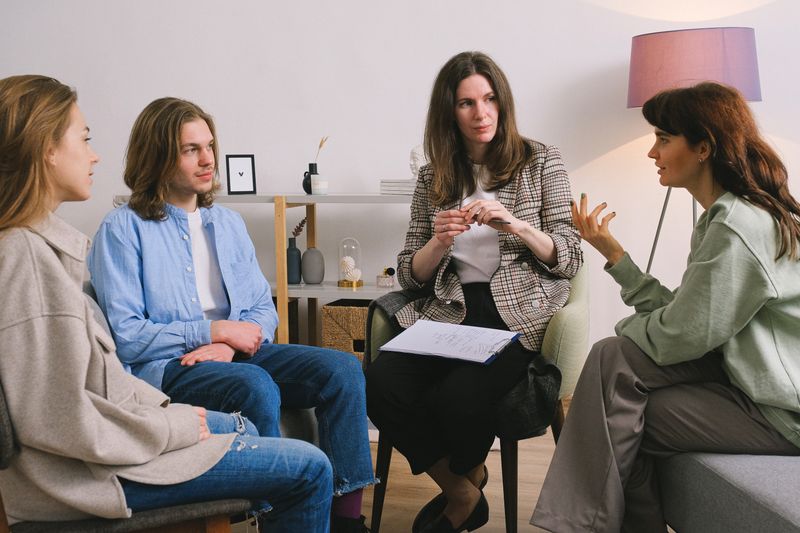
Properly supervised stay
Twenty-four-hour clinical cover at every clinic we work with, including proper cardiology and mental-health screening on admission. The first ten days, when the cravings, broken sleep and flat mood all hit at once, are properly held by the team. You're not gripping through that stretch alone the way you would back.

Confidential, always
Nothing about the call leaves the room without you specifically saying so. Employer, GP, family, partner, nobody is contacted unless that's a decision you've actively made on the phone with us. For callers in licensed jobs or sensitive roles, that privacy is the structural reason private is the right route.
Three structural reasons private genuinely works. The call to find out which one matters most for the version of cocaine dependency you're in starts here.
Quick honest answer
Does The Clinic Have To Be In Plymouth?
Most callers we place choose a clinic that isn't in the city, and that's deliberate. Half of why this works is the geographical break from your usual run. The walk back from the Barbican, the regular dealer's number, the friend whose flat the using has happened in for years, the social loop around Mutley Plain. Pulling the head out of all of that for a fortnight or more is the bit that makes early recovery feasible. Some clients still need to stay closer for caring duties or partner availability, and we work with that, but the more common pattern is choosing somewhere a couple of hours up the road on purpose. We match you to the clinic that genuinely fits your situation rather than the nearest postcode.
Wherever the clinic ends up being, the conversation that finds the right one for Plymouth starts on this number.
The Process
How Going Into Cocaine Rehab Actually Works
Most callers we speak to have never had anything to do with rehab before, and the not-knowing is the part that holds the call back more than the cost or the embarrassment. The actual sequence is much calmer than people imagine. It begins with a single phone conversation, and from that point on every stage is mapped clearly so you always know what's about to happen and what choices are still yours to make.

Confidential first conversation
The first conversation is with somebody who has been through cocaine dependency themselves. No script, no upsell, no pressure to commit to anything. We listen first, ask the practical questions second, and walk through what the safest next step might look like for you specifically rather than for a generic caller.

Matching you to the right clinic
Once we've got the picture properly, we walk you through what residential treatment actually involves day to day, how quickly admission can happen, what length of programme would actually suit you, and what the realistic cost figure looks like for your situation. The aim is clarity, not persuasion. The decision stays yours, not ours.

Admission and clinical care
From admission, the clinical team takes over. There's no tapered cocaine withdrawal protocol because cocaine cessation isn't a medical detox in the alcohol sense, but the heaviest part of the first ten days, the cravings, the broken sleep, the flat mood, the anxiety hitting harder than you'd expect, is properly contained by the team around you. You aren't navigating any of that stretch alone, which is the bit that usually breaks home attempts.
Therapy, recovery, aftercare
Once the worst of the early stretch is behind you, the proper therapeutic work begins. Individual sessions, structured group work, and a written aftercare plan that travels back to Plymouth with you so the support carries on through the first three months home, which is the window the clinics treat as the most important for whether placements hold long-term.
Each of those four Plymouth-facing steps starts with one phone call. That call is the only one you actually have to make today.
The honest cost picture
What Cocaine Rehab Actually Costs From Plymouth
Plymouth Stays, Realistically Costed
Short residential stay, 7 to 14 days: typically £3,500 to £5,500. That covers the room, the food, the round-the-clock clinical care, a proper medical and mental-health review, and the start of the therapy work. With cocaine specifically, a short stay isn't doing a detox protocol because there isn't one to do, the value sits in the geographical break, the cravings being held by clinical staff rather than gripped through alone, and the first proper therapeutic conversations getting underway.
Full residential programme, 28 days: usually £8,000 to £15,000 depending on the clinic and room type. This is the depth-version, CBT plus structured group work, one-to-one therapy, and a written aftercare plan built for the realities of going home to Plymouth rather than a generic discharge sheet. It's the one that meaningfully shifts the picture at six and twelve months out, because it has the space for the head work and the relapse-prevention layer that cocaine specifically demands.
What Moves The Number Up Or Down
Single occupancy vs shared, location, length of stay, depth of the therapy programme, and whether mental-health support beyond the standard package is needed alongside. AXA, Bupa, Aviva and Vitality often cover meaningful portions of inpatient mental-health and addiction care. We'll talk you through whether your insurance is likely to apply before you commit to anything.
Whichever length actually fits your situation, the call to find out costs nothing. Ring us and we'll be honest with you about what each option realistically delivers, and where the value sits for the version of cocaine dependency you're actually dealing with.
Common Concerns
The Questions That Hold People Back From Calling
These are the worries that hold people back from picking the phone up. Honest answers, no spin, no recovery jargon.
Our role
Where Private Rehab Direct Sits In All This
We're not a clinic. We don't sell beds. We're the people you talk to before you go anywhere. We've spent years mapping the CQC-registered clinics that take cocaine cases properly, including the mental-health side, and we know which ones suit which kinds of people. When you ring from Plymouth, you're not going to hit a script. You'll talk to someone who's been where you are. We'll listen first, ask the practical things second, and only suggest a clinic when we know enough to suggest the right one. The clinic pays our fee, you pay nothing, and you can change your mind at any point. Most people who ring aren't ready that day, and the conversation still helps.
When You're Ready
When You're Ready, The Phone's There, Plymouth
You don't need to have it all worked out before you call. A confidential conversation with our team can give you clarity on what's actually possible from where you're sitting in Plymouth right now, what the realistic next step looks like, and whether residential treatment is the right fit at all. If the cocaine use has reached the point where you already know something has to give, acting sooner makes a real difference, both for the comedown and for everything else the using has been quietly chewing through. Call today or send a confidential message and we'll come back to you fast.
Get In TouchCall us on 0333 335 7621
Other Pages
Wider Reading Across The Service
For the wider Devon picture and the national service, these pages cover more from Plymouth's angle.
Cocaine Rehab Devon
Cocaine rehab across Devon, all the towns and cities we work in.
Calling from Cornwall?
Across the Tamar, our Cocaine Rehab Cornwall hub covers Truro, Falmouth, Penzance, St Austell, Newquay, Bodmin and Camborne with the same CQC-registered private clinic network.
View Cocaine Cornwall →Get In Touch
Drop Us A Confidential Line
If you'd rather start the conversation in writing, the form below lands straight with our team and we'll come back to you fast, usually inside 15 minutes during normal hours. Anything that arrives outside those hours gets picked up as soon as the team is back. Whatever you share with us, here or on the call, stays inside this conversation unless you specifically tell us otherwise.
When you call, here's what happens
A real person picks up the phone, not a call centre. Every one of our Plymouth-facing team has been through cocaine on the using side.
A free 15 to 30 minute conversation. No pressure on you, nothing to commit to by the end of it.
We talk through your realistic options together. Cost, clinic, timing, insurance cover, the whole picture.
If you're ready, placement can begin the same day. Most callers are admitted inside 48 hours.
Or call us directly on 0333 335 7621
Open 24/7 to callers. Strictly confidential.
Important: This content is for informational purposes only and does not constitute medical advice. Always seek professional guidance from a qualified healthcare provider regarding any concerns about cocaine use or withdrawal.